
REPAIR SERVICES
Pressure Testing
Cylinder Head repair
Cylinder Head repair
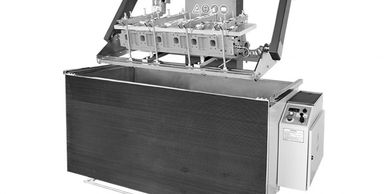
Pressure testing works following a basic principle that consists of plugging all the outlets of the cooling circuit of the cylinder head using rubber stoppers and then injecting pressurized air into the circuit. This process is crucial for cylinder head repair, as it allows for the identification of any cracks or fissures. Once the cylinder head is immersed in a hot-water bath, if there are any defects, air bubbles will rise to the surface, indicating the need for further engine overhaul procedures.
To facilitate this testing, hydraulic arms move the cradle holding the piece to be tested. The hydraulic system allows the cradle to move vertically and rotate a full 360 degrees, making it significantly easier to inspect all sides of the cylinder head during the crankshaft grinding and repair process.
Cylinder Head repair
Cylinder Head repair
Cylinder Head repair
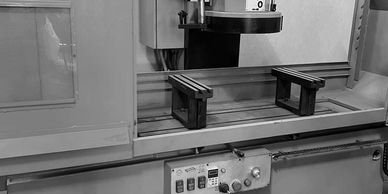
Cylinder head skimming, also known as cylinder head resurfacing, is a crucial machining process that involves removing a very thin layer of metal from the surface of an engine’s cylinder head to restore it to a perfectly flat condition. This step is often part of the cylinder head repair process during an engine overhaul.
Why it's done
This procedure is typically necessary when the head surface has become warped or damaged, which can occur due to several factors, including:
- Engine overheating
- Blown head gasket
- Corrosion or pitting on the sealing surface
A perfectly flat surface is essential because if the cylinder head is not level, the head gasket cannot seal correctly, leading to serious issues such as:
- Coolant mixing with oil
- Loss of compression
- Engine overheating
- White smoke from the exhaust
Furthermore, during the cylinder head repair process, valves and guides may also need to be addressed, along with crankshaft grinding as part of the overall engine overhaul strategy.
Crankshafts
Cylinder Head repair
Cylinder Blocks
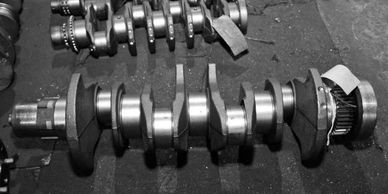
Crankshaft grinding and polishing is a crucial process in a machine shop that helps restore worn or damaged crankshafts, enabling engines to run smoothly again. This process is often part of a comprehensive engine overhaul.
Crankshaft Grinding
During crankshaft grinding, a small amount of metal is removed from the crankshaft journals, which are the smooth surfaces where bearings are seated.
Why It’s Done
Common reasons for crankshaft grinding include worn or scored journals, bearing failure, low oil pressure, and damage caused by metal debris in the oil.
Polishing follows grinding as a finishing step.
What It Does
This polishing procedure smooths the journal surfaces, removes minor scratches, improves oil film retention, and reduces bearing wear. Additionally, both crankshaft grinding and polishing are essential for ensuring effective cylinder head repair and overall engine performance.
Cylinder Blocks
Cylinder Blocks
Cylinder Blocks
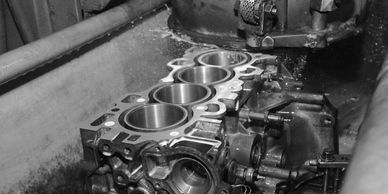
Cylinder block repair is essential for addressing damage or wear in the engine block, allowing the engine to run correctly again. The cylinder block serves as the main structure of the engine, housing the cylinders, crankshaft, and coolant passages. Typical repairs involved in an engine overhaul include:
Honing, which lightly removes material from cylinder walls to create a crosshatch pattern that helps piston rings seal and retain oil. This technique is applied when cylinders are slightly worn but still within tolerance.
Reboring, where cylinders are bored larger using a boring machine. This process removes wear or scoring and requires the use of oversize pistons and rings.
Lining involves installing a metal sleeve (liner) inside the cylinder. This method is used when the cylinder is badly damaged or overbored, as it restores the cylinder to standard size.
Finally, deck refacing ensures that the top surface of the block is machined flat, which is vital for proper cylinder head repair and ensures effective head gasket sealing.
Pistons
Cylinder Blocks
Pistons
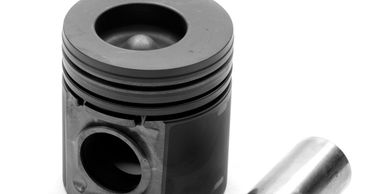
Piston Repair
Pistons operate under very high heat and pressure, making them susceptible to various types of damage, especially during processes like crankshaft grinding and engine overhauls.
Common piston problems include:
- Scoring or scratches on the piston skirt
- Cracked piston crown
- Worn piston ring grooves
- Burnt piston top from overheating or detonation
- Broken piston rings
Repair methods involve:
- **Cleaning and inspection**: Carbon deposits are removed from the piston crown and ring grooves to ensure optimal function.
- **Replacing piston rings**: Old rings are replaced with new ones to restore compression, which is critical during engine overhaul work.
- **Checking ring grooves**: If the grooves are worn, special tools can re-cut them, or the pistons may require replacement. This is particularly important in procedures like cylinder head repair.
- **Replacing damaged pistons**: If pistons are cracked or badly worn, they are usually replaced instead of repaired to maintain engine efficiency.
- **Oversize pistons**: These are utilized when the cylinder block is rebored, ensuring a proper fit and enhanced performance.
Con-Rods
Cylinder Blocks
Pistons
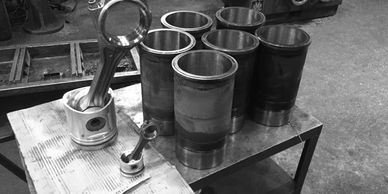
Connecting Rod (Con-Rod) Repair
The connecting rod, which links the piston to the crankshaft, must remain perfectly straight to ensure optimal engine performance.
Common con-rod problems include:
- Bent rods (often caused by engine seizure or hydro lock)
- Twisted rods
- Worn big-end bearings
- Damaged small-end bush
- Overheated or cracked rods
Repair methods during an engine overhaul can involve:
Big-end resizing
The big end is machined to restore a perfect circular shape, crucial for maintaining alignment.
Small-end bush replacement
The bushing for the piston pin is replaced and reamed to the correct size, enhancing the overall functionality of the rod.
Bearing replacement
New con-rod bearings are installed as part of the engine rebuild, often alongside necessary procedures like crankshaft grinding and cylinder head repair.